Back to event

Event session · Dallas Business Accelerator

Clean Water for Africa: Exploring Solutions, Innovation & Global Partnerships

What does it take to bring safer, cleaner drinking water to communities that need it most? Join UA Legacy Grants founder Mark Miller, humanitarian leaders, clean water innovators, and business executives to explore how technology, philanthropy, and strategic partnerships can transform lives across Africa. Discover the clean water initiative in Kakuma, Kenya, and how businesses, nonprofits, and individuals can help expand access to safe drinking water through sustainable, community-driven solutions.

Tue, Nov 17
3:00 PM – 3:30 PM MST
Live online

About this session

Access to safe drinking water is essential for healthy families, thriving communities, economic opportunity, and long-term development. Yet many communities across Africa continue to face challenges obtaining reliable, affordable, and safe drinking water.

Solving these challenges requires more than technology or funding alone. It requires collaboration between local communities, governments, businesses, nonprofit organizations, researchers, and individuals committed to creating sustainable solutions.

What can we accomplish when people from different industries and backgrounds come together around a shared humanitarian cause?

Join humanitarian leaders, clean water innovators, business executives, and community development professionals for an exploratory discussion on improving access to safer, cleaner drinking water in underserved communities across Africa.

Our panelists will explore the challenges surrounding water availability, contamination, filtration, distribution, infrastructure, maintenance, and long-term sustainability.

Discover how emerging technologies, gravity-fed filtration systems, water purification methods, and community-based solutions may help address different water challenges.

We'll examine how successful humanitarian initiatives engage local leaders, understand community needs, identify appropriate technologies, and create sustainable programs that communities can maintain over time.

The conversation will also explore the role of corporate philanthropy, charitable organizations, public-private partnerships, and international business networks in supporting clean water initiatives.

Rather than promoting a predetermined project, this session is an opportunity to exchange ideas, learn from experienced professionals, identify promising approaches, and explore how interested organizations might collaborate.

We'll discuss what it takes to evaluate potential projects, develop responsible partnerships, establish measurable goals, and ensure that future initiatives are guided by the needs of the communities they aim to serve.

Whether you're a business executive interested in making a positive impact, a nonprofit leader working on humanitarian challenges, or an innovator developing water solutions, this session offers an opportunity to explore how collective expertise and resources could improve lives.

Following the panel, participate in a 10-minute networking session to meet other individuals and organizations interested in exploring clean water solutions and potential partnerships.
What you'll take away

  • Understand the Clean Water Challenge: Explore the barriers that prevent some African communities from accessing reliable, safe drinking water.
  • Learn About Potential Solutions: Discover different approaches to water filtration, purification, infrastructure, storage, and distribution.
  • Explore Innovative Technologies: Understand how affordable and decentralized technologies may help improve water access in underserved areas.
  • Understand Community Needs: Learn why local leadership, community participation, and long-term maintenance are essential.
  • Explore Humanitarian Partnerships: Discover ways businesses, nonprofits, governments, and community organizations can work together.
  • Identify Corporate Giving Opportunities: Explore how organizations can contribute funding, expertise, technology, equipment, or other resources.
  • Understand Sustainable Development: Learn how projects can be designed to support long-term community benefits rather than short-term interventions.
  • Explore Funding Models: Discuss charitable grants, corporate sponsorships, philanthropic contributions, and public-private partnerships.
  • Measure Meaningful Impact: Understand the importance of water quality testing, system reliability, community adoption, and measurable outcomes.
  • Identify Collaboration Opportunities: Connect with professionals and organizations interested in exploring potential clean water initiatives.

Who should attend

  • CEOs, founders, and business executives
  • Humanitarian organization leaders
  • Nonprofit founders and directors
  • Corporate social responsibility executives
  • Philanthropists and charitable foundations
  • Clean water technology innovators
  • Water treatment and filtration specialists
  • International development professionals
  • Environmental and sustainability executives
  • Public health and community development leaders
  • Infrastructure and engineering professionals
  • Economic development organizations
  • Impact investors and social entrepreneurs
  • Faith-based humanitarian organizations
  • Business leaders interested in global causes
  • Individuals interested in supporting clean water access

Questions

  • What are the biggest challenges affecting access to safe drinking water across different regions of Africa?
  • How do limited infrastructure, contamination, water scarcity, and distribution challenges affect communities?
  • What water filtration and purification technologies are available for underserved communities?
  • How can low-cost and decentralized water solutions help address local needs?
  • What makes a clean water initiative sustainable over the long term?
  • How can humanitarian organizations evaluate which communities and solutions to prioritize?
  • Why is local community leadership important to the success of clean water projects?
  • What are the most common challenges facing organizations implementing clean water programs?
  • How can businesses and nonprofit organizations collaborate on humanitarian initiatives?
  • What role can corporate philanthropy and charitable foundations play in improving water access?
  • How can technology companies and entrepreneurs contribute innovative solutions?
  • What funding models could support clean water initiatives?
  • How can organizations evaluate the effectiveness and safety of water technologies?
  • What measurements help demonstrate meaningful humanitarian impact?
  • What lessons can be learned from existing clean water initiatives?
  • How can international business networks connect organizations with expertise and resources?
  • What should be considered before launching a new humanitarian water project?
  • How can interested participants begin exploring opportunities to collaborate?

Meet your speakers

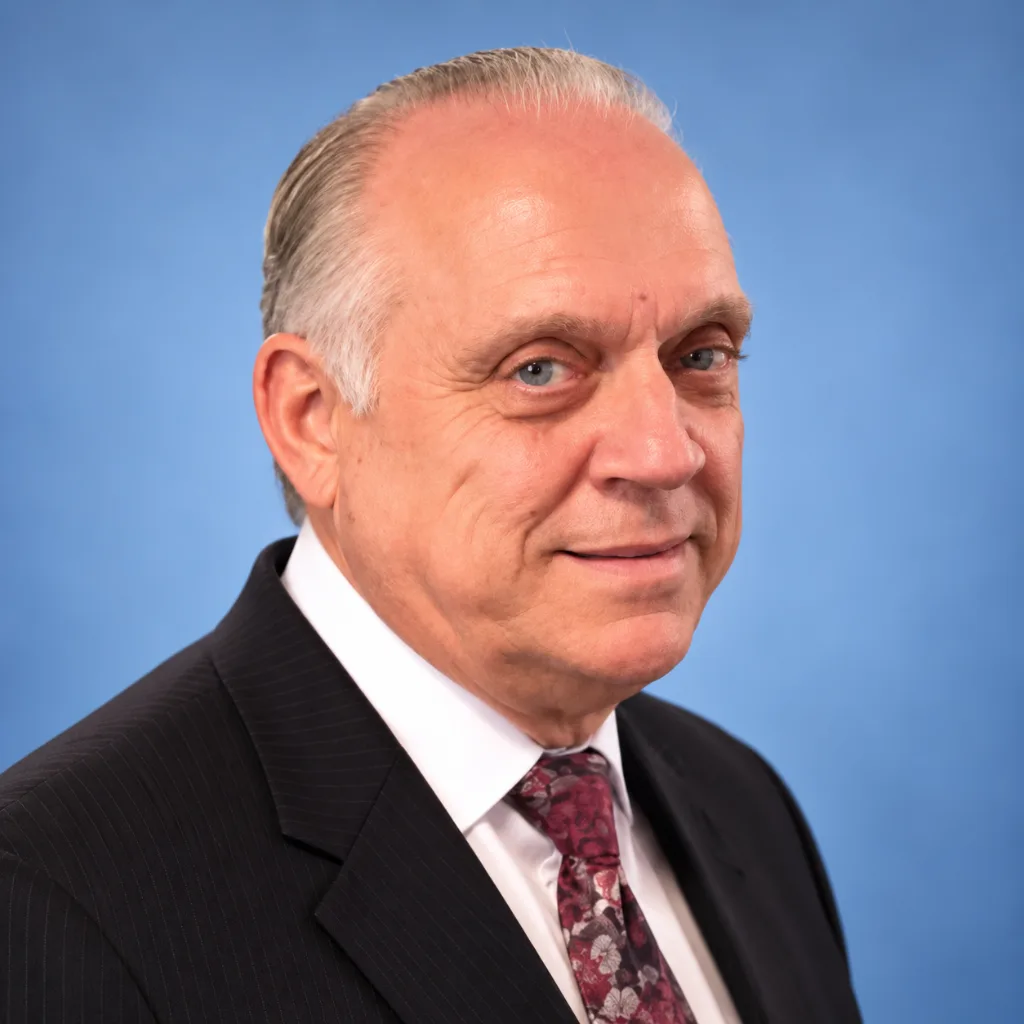
Mark Miller

Mark Miller

CEO · Cargo Strap Wizard Pro

Mark Miller, an entrepreneur and inventor, is CEO & Co-Founder of Cargo Strap Wizard Pro and Founder of UA Legacy Grants, specializing in product innovation, strategic business development, and humanitarian clean water solutions.

View speaker profile
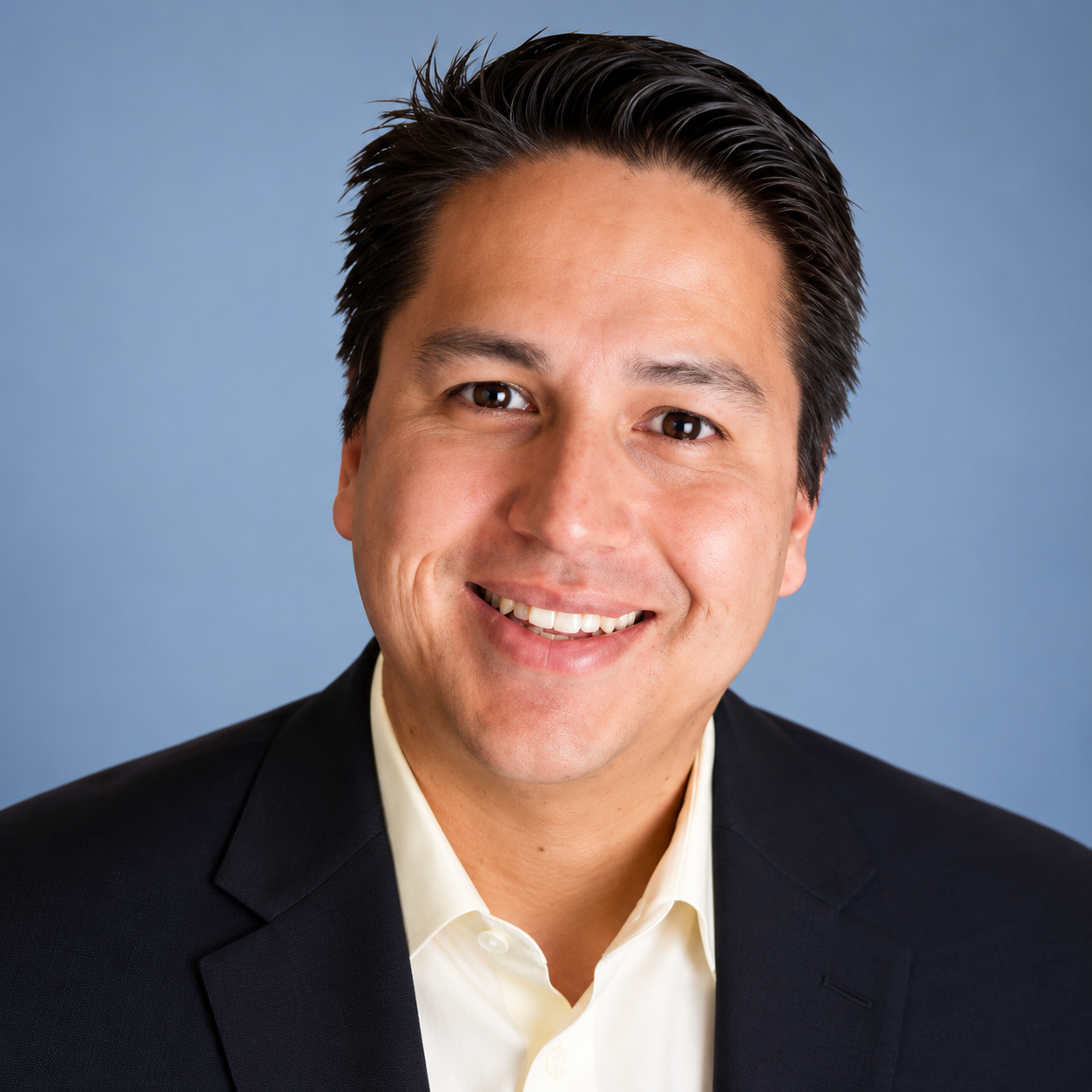
Steven Tedjamulia

Steven Tedjamulia

Founder and Executive Director · Aspin Business Accelerator

Steven Tedjamulia is an entrepreneur, product leader, and applied AI innovator with more than 25 years of experience helping organizations turn emerging technologies into measurable business results.

View speaker profile